
As the temperatures begin to drop across Barrie and Simcoe County, many of us start thinking about winter tires, warm clothing, and getting our homes ready for the colder months. But have you thought about how to prepare your body for winter?
Between icy sidewalks, snowy driveways, shorter days, and spending more time indoors, winter can change how we move and how active we are. Activities that feel effortless in the summer, like walking the dog, getting outside for a walk, or maintaining a regular exercise routine, can become more challenging.
The good news is that you don’t have to wait until the snow arrives to start preparing.
By focusing on strength, balance, mobility, and consistent movement now, you can help your body stay capable and resilient throughout the colder months.
At Longevity Nexum in Barrie, we believe exercise should prepare you for the activities that matter in everyday life. Here are seven ways to prepare your body for winter and maintain your strength and confidence as the seasons change.
Why Is It Important to Prepare Your Body for Winter?
Winter often changes our daily routines. We may walk less, spend more time sitting indoors, or avoid activities because of cold temperatures and slippery conditions.
When our activity levels decrease, we may miss opportunities to maintain our strength, cardiovascular fitness, balance, and mobility.
Winter also brings physical demands of its own. Shovelling snow, carrying groceries across icy parking lots, navigating uneven snowbanks, and getting in and out of vehicles all require strength, coordination, and control.
Preparing your body for winter isn’t about trying to prevent every possible injury or pushing yourself to exercise harder. It’s about maintaining the physical abilities you rely on throughout the year.
1. Build Lower-Body Strength Before the Snow Arrives
Lower-body strength plays an important role in everyday activities, from climbing stairs to getting out of a chair and walking on uneven surfaces.
As winter approaches, maintaining strength in your legs and hips can help you manage the physical demands of the season.
Exercises to consider include:
- Sit-to-stands: Practise standing up from a sturdy chair and sitting back down with control.
- Squats: Build strength through your hips, thighs, and glutes using a variation appropriate for your ability.
- Step-ups: Practise stepping onto a low, stable step to develop strength for stairs and changes in elevation.
- Calf raises: Strengthen the muscles in your lower legs that contribute to walking and ankle control.
Start with a comfortable variation and prioritize controlled movement over the amount of weight you lift.
If you’re new to strength training or managing pain, a Registered Kinesiologist can help you choose appropriate exercises and progress them gradually.
2. Improve Your Balance and Coordination
Balance becomes particularly important when walking on wet leaves, uneven ground, or slippery winter surfaces.
Although no exercise can guarantee that you won’t fall on ice, improving balance and lower-body control can help you develop physical skills that support everyday mobility.
Try incorporating exercises such as:
- Standing with your feet together near a sturdy support.
- Practising heel-to-toe standing as your ability allows.
- Shifting your weight from one leg to the other while holding a stable surface.
- Practising controlled single-leg standing with support nearby, if appropriate.
Safety matters: Perform balance exercises beside a stable counter or rail, and choose a variation that matches your current ability. If you have a history of falls or significant balance difficulties, seek professional guidance before attempting more challenging exercises.
It’s also important to remember that good balance is only one part of winter safety. Appropriate footwear, clear walkways, and taking your time on slippery surfaces remain essential.
3. Maintain Your Mobility
Cold weather can make it tempting to spend the day sitting on the couch or staying in one position for extended periods.
If you’re moving less than usual, you may notice more stiffness when getting up, climbing stairs, or starting your day.
Regular movement can help you maintain comfortable mobility and make everyday activities feel easier.
Consider incorporating:
- Gentle hip mobility exercises.
- Ankle movements and controlled calf stretches.
- Comfortable trunk rotations.
- Shoulder mobility exercises.
- Short movement breaks throughout the day.
You don’t need to complete a long stretching routine every morning. A few minutes of comfortable movement, repeated consistently, can be a useful starting point.
If a movement causes sharp or worsening pain, stop and seek appropriate guidance rather than forcing yourself through it.
4. Keep Your Cardiovascular Fitness Up
Walking outdoors may become less appealing when temperatures drop, but cardiovascular activity remains an important part of maintaining your overall health.
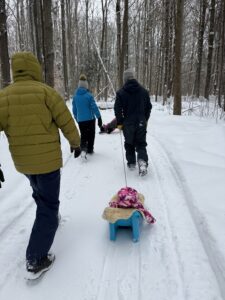
The key is finding alternatives that work for your environment, schedule, and abilities.
Depending on your preferences, you could try:
- Walking indoors at a shopping centre.
- Using a treadmill or stationary bike.
- Swimming at an indoor pool.
- Attending a fitness class.
- Completing a brisk walk outdoors when conditions are safe.
Canadian physical activity recommendations for adults generally include at least 150 minutes of moderate-to-vigorous aerobic activity per week, alongside muscle-strengthening activities. You don’t need to reach that target immediately if you’re currently less active. Start with what you can manage and build gradually.
Consistency matters more than finding the perfect activity.
5. Prepare for Everyday Winter Tasks
Winter isn’t just about exercising indoors. It’s also about being physically prepared for the tasks that come with the season.
Shovelling snow, carrying salt, lifting storage bins, and moving through deep snow can all place demands on your body.
Rather than relying on one specific exercise, build a foundation of strength and movement skills that transfer to everyday tasks.
For example:
- Squats and sit-to-stands can help develop strength for lowering and rising.
- Hip-hinge exercises can help you practise lifting and bending with control.
- Carrying exercises can help develop strength for transporting groceries and other household items.
- Regular cardiovascular exercise can help build the endurance needed for physical tasks.
When shovelling, use a manageable load, avoid rushing, and take regular breaks. If possible, push lighter snow rather than lifting heavy loads, and avoid sudden twisting while carrying it.
If you have a medical condition or have been advised to limit strenuous activity, speak with an appropriate healthcare professional before taking on demanding winter chores.
6. Create an Indoor Exercise Routine You Can Maintain
One of the biggest challenges of winter is losing the routines that helped you stay active during warmer weather.
If you rely entirely on outdoor walks or seasonal sports, you may find yourself struggling to maintain your activity level when conditions change.
The solution is to create a backup plan before you need one.
For example, your weekly routine might include:
- Two full-body strength sessions.
- Two or three walks, indoors or outdoors depending on conditions.
- Short mobility breaks during the workday.
- One recreational activity you genuinely enjoy.
Your routine doesn’t need to look like this exact example. Your starting point should reflect your current fitness, health, goals, and schedule.
If you’re currently inactive, even a short walk or a few minutes of movement can be a positive first step.
Make your plan realistic enough that you can continue it during busy weeks, when the weather is poor, or when motivation is low.
7. Don’t Wait Until Something Hurts to Get Started
It’s easy to focus on exercise only when we want to lose weight, recover from an injury, or address a problem that has already developed.
But exercise can also play an important role in maintaining physical function and supporting long-term health.
Preparing your body for winter gives you an opportunity to work on areas you may have overlooked, whether that’s improving your leg strength, building confidence with balance exercises, maintaining cardiovascular fitness, or becoming more comfortable with everyday movement.
You don’t need to have pain or a specific medical condition to benefit from an individualized exercise routine.
And if you do have pain, a chronic condition, or concerns about your ability to exercise safely, you don’t necessarily have to figure everything out on your own.
A Registered Kinesiologist can assess your movement and physical capabilities, help establish realistic goals, and develop an exercise program tailored to your needs.
Prepare Your Body for Winter With Longevity Nexum
Winter doesn’t have to mean putting your health on hold.
By maintaining your strength, balance, mobility, and cardiovascular fitness, you can continue working toward the physical abilities that help you enjoy everyday life throughout the year.
The best time to start preparing your body for winter is before the weather forces you to change your routine.
At Longevity Nexum, our Registered Kinesiologists in Barrie provide individualized, one-on-one exercise programming based on your abilities, health considerations, and goals. Whether you’re looking to improve your strength, move with more confidence, manage pain, or maintain your independence as you age, we’re here to help you find a sustainable starting point.
Ready to prepare your body for winter?
Book a free 15-minute consultation with Longevity Nexum to discuss your goals and learn how an individualized exercise program can support your health throughout the colder months.
Your winter routine starts with the steps you take today.
Written by Chelsey Torrance




0 Comments