
Let’s break down why being active and stretchy but still in pain is so common — and what’s often missing.
You move regularly.
>You stretch often.
>You prioritize your health.
And yet… the pain is still there.
This is one of the most common and frustrating situations we see: people who are active, flexible, and consistent, but still dealing with nagging back pain, hip pain, knee discomfort, or recurring aches that just won’t go away.
If this sounds like you, here’s the truth many people don’t hear:
👉 Being active and being pain-resilient are not the same thing.
Cardio Is Great — But It Doesn’t Build Pain Resilience
Cardio plays an important role in long-term health. It improves heart health, endurance, circulation, and mental well-being. Walking, running, cycling, swimming — all valuable.
But cardio primarily repeats the same movement patterns over and over.
What cardio does not do well is:
- Build joint stability
- Increase muscular strength around vulnerable areas
- Improve load tolerance
- Prepare the body for unexpected demands
If your body lacks strength, repetitive movement can actually expose weaknesses rather than fix them.
Many people who are active and stretchy but still in pain are unknowingly increasing the demands on their body without increasing their capacity to handle them.
Yoga and Pilates Feel Good — But They Often Plateau
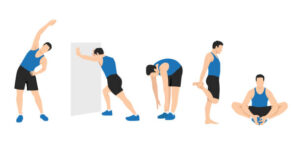
Yoga and Pilates are excellent tools for:
- Improving mobility
- Increasing body awareness
- Reducing stress
- Supporting breathing and control
They often make people feel better short term, which is why they’re so popular for pain relief.
However, many styles:
- Use minimal external load
- Avoid true muscular fatigue
- Lack progressive overload
This can result in bodies that are:
- Very mobile
- Very controlled
- Not very strong under load
Being flexible without strength is like having a large range of motion with no support system. Over time, joints and tissues may feel exposed rather than protected.
That’s why so many people are active and stretchy but still in pain — they’ve improved movement, but not resilience.
Pain Is Often a Capacity Problem, Not a Flexibility Problem
Pain is complex, but in many cases it shows up when:
The demands of life exceed what the body is prepared to handle.
Common examples:
- Weak hips → knee or low back pain
- Weak glutes → hip or pelvic discomfort
- Weak upper back → neck and shoulder pain
- Weak legs → joint irritation or instability
Stretching a weak area may temporarily reduce tension, but it doesn’t solve the underlying issue. In some cases, it can even make symptoms linger longer.
The body needs strength to feel safe.
What Strength Training Does That Stretching Can’t
 Intentional, well-designed strength training with a Registered Kinesiologist at Longevity Nexum :
- Builds muscle and connective tissue capacity
- Improves joint stability
- Increases tolerance to daily loads
- Reduces protective muscle guarding
- Restores confidence in movement
Strength training teaches your body that it can handle force, not just move around it.
This is especially important for:
- Women in perimenopause and menopause
- Postpartum individuals
- Adults over 40
- Anyone with recurring or “mysterious” pain
If you’re active and stretchy but still in pain, chances are your body needs support, not more stretching.
 Why This Is So Common in Women
Women are often encouraged to:
- Do more cardio
- Stretch more
- Stay “lean” and flexible
- Avoid lifting heavy
Over time, hormonal changes, muscle loss, and reduced bone density can make pain more likely — especially when strength training is missing.
Strength training is not about getting bulky.
It’s about staying capable, resilient, and confident in your body.
Why the Combination Matters Most
This isn’t about choosing one type of movement over another.
The most resilient bodies combine:
- Cardio for heart health and endurance
- Mobility work for movement freedom
- Strength training for support, stability, and longevity
When strength is missing, pain often fills the gap.
Being active is important — but being prepared is what reduces pain long term.
The Takeaway
If you’re active and stretchy but still in pain, the solution usually isn’t:
- More cardio
- More stretching
- More “doing all the right things”
It’s addressing what your body is lacking — strength, support, and load tolerance.
Pain isn’t always a sign you should move less.
Sometimes it’s a sign you need to get stronger — the right way.
How Longevity Nexum Approaches Pain Differently
At Longevity Nexum, we focus on building strength that supports real life — not just workouts. Our goal is to help you move well and feel capable doing the things you love, without pain holding you back.
If this blog resonates with you, your body might be asking for something different — and stronger.



0 Comments