
Have you started noticing aches in your shoulders, back, or knees that seem to linger for months — sometimes even years? The discomfort may appear during daily tasks, work, or the activities you love.
Often the question becomes: “Why does this keep happening?”
One of the most important concepts in injury prevention is understanding capacity vs. demand.
What Is Capacity vs. Demand?
Think of your body like a system that needs to handle the workload of your life.
- Demand is everything your body is asked to do. This includes your job, sports, hobbies, yard work, caring for family, and even everyday movements like lifting groceries or climbing stairs.
- Capacity is what your body is physically capable of handling. It includes your strength, mobility, coordination, and endurance.
When your capacity meets or exceeds your demands, your body is resilient. You move well, recover well, and are less likely to develop pain or injury. But when demand exceeds capacity, your body starts to feel it.
When Life Asks More Than Your Body Can Give
Many people live very active lives:
- Physical labour jobs
- Recreational sports like pickleball or golf
- Dancing, hiking, or fitness classes
- Yard work and home projects
- Caring for children or aging parents
These activities place real physical demands on your body.
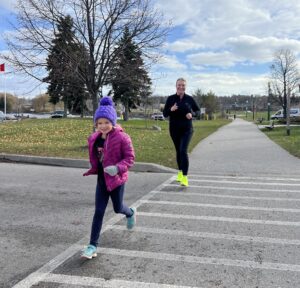
However, if you are doing all of these things without strength training, your body may not have the capacity to support them long-term.
Over time this imbalance can show up as:
- Shoulder pain
- Low back discomfort
- Knee pain
- Tightness and stiffness
Your body isn’t necessarily “breaking down.” More often, it simply hasn’t been trained to handle the load consistently.
Strength Training Builds Capacity
Strength training isn’t just for athletes or people who love the gym. It’s one of the most powerful ways to build the physical capacity needed for real life.
By improving strength and movement quality, you can:
- Better support your joints
- Reduce strain on tissues
- Improve mobility and control
- Increase resilience to physical stress
- Continue doing the activities you enjoy
In simple terms, strength training raises the ceiling of what your body can handle.
Preventing Injuries Before They Happen
At Longevity Nexum, our goal is not just to help people recover from pain — it’s to help prevent injuries before they happen.
That process begins with a thorough movement assessment.
Our Kinesiologists look at:
- How you move
- Strength imbalances
- Mobility restrictions
- Stability and control
- The demands of your work and lifestyle
From there, we build a personalized plan designed to increase your capacity so your body can confidently handle the demands of your life.

Stay Active for the Long Run
Your work and hobbies matter. And the time you spend with the people you love matters most.
The goal isn’t to stop doing the activities that bring you joy — it’s to build a body that can keep doing them for years to come. By increasing your capacity, you create a stronger, more resilient foundation for life.
At Longevity Nexum, our Kinesiologists are here to help you move better, feel stronger, and stay active so you can continue doing the things you love with the people you love!
Because longevity isn’t just about living longer — it’s about living well while you do it.
Written By: Kelly Gamey




0 Comments