
When most people think about fitness, they think about strength, cardio, or flexibility. Balance training is often overlooked, yet it plays a critical role in how we move, function, and stay independent throughout life.
At Longevity Nexum, balance is an important component of many of our exercise programs. Whether you’re looking to prevent falls, recover from an injury, improve athletic performance, or simply move with greater confidence, balance training can make a significant difference.
Balance and Fall Prevention
As we age, changes in muscle strength, reaction time, vision, and coordination can affect our balance. This can increase the risk of falls, which are one of the leading causes of injury among older adults.
The good news is that balance can be improved through regular practice. Targeted exercises help strengthen the muscles that support stability, improve coordination, and train the body to react more effectively when unexpected situations occur. Better stability means greater confidence during everyday activities such as walking, climbing stairs, gardening, or carrying groceries.
Addressing Imbalances in the Body
Many people develop movement imbalances over time. These can result from repetitive movements, poor posture, previous injuries, or simply favouring one side of the body more than the other.
When one side of the body is stronger or more stable than the other, it can place extra stress on joints and muscles. Balance training helps identify and address these differences by improving body awareness, coordination, and control. By correcting imbalances, we can often improve movement efficiency and reduce the risk of future injuries.
Recovering After Injury
Following an injury, it’s common to experience weakness, reduced coordination, and a loss of confidence in movement. Even after pain has subsided, the body’s ability to stabilize and control movement may not fully return on its own.
Balance training is often a key part of the rehabilitation process. It helps retrain the muscles and nervous system to work together effectively, restoring strength, stability, and confidence. Whether recovering from a sprained ankle, knee injury, surgery, or another condition, rebuilding balance can help support a safe return to daily activities and exercise.
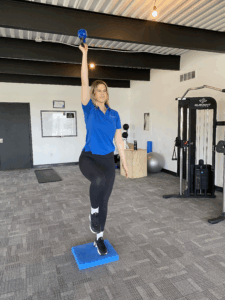
Balance Is More Than Standing on One Leg
Many people assume balance training simply means standing on one foot. In reality, balance involves the complex interaction between our muscles, joints, vision, inner ear, and nervous system.
At Longevity Nexum, your exercise prescription is individualized to your needs and goals. Exercises may include strength training, stability work, dynamic movement patterns, reaction-based exercises, and functional activities that translate directly to everyday life.
Building Confidence Through Movement
Improving balance isn’t just about preventing falls—it’s about maintaining independence, confidence, and quality of life. When you trust your body’s ability to move safely and efficiently, you’re more likely to stay active and continue doing the activities you enjoy.
At Longevity Nexum, we assess movement patterns, identify areas of weakness or instability, and create personalized exercise programs designed to help you move better for life. Whether you’re recovering from an injury, managing a chronic condition, or looking to stay strong and independent as you age, balance training can be an important part of your journey.
Ready to improve your balance and confidence? Contact our team to book an assessment and learn how a personalized exercise program can help you stay active, strong, and resilient for years to come!
Written By: Kelly Gamey




0 Comments